„Závistlivcom sa najlepšie pomstíš, keď budeš zo dňa na deň lepší.“
Prisudzované výroky
Zdroj: [KOTRMANOVÁ, Milada.: Perly ducha. Ostrava: Knižní expres, 1996 ISBN 80-902272-1-X]
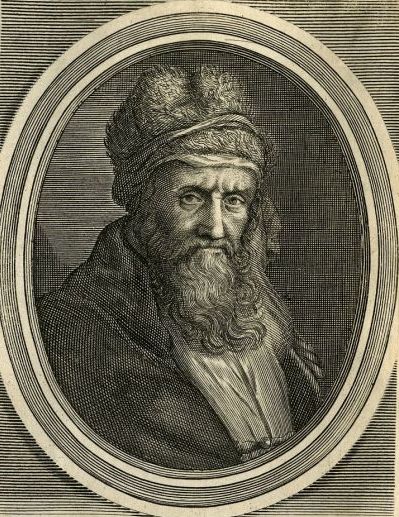
Diogenes Laertios bol grécky historik a filozof, autor jediných zachovaných antických dejín gréckej filozofie. O Diogenovi nie je z iných prameňov skoro nič známe a aj datovanie jeho života do 3. storočia je len približné. Wikipedia
„Závistlivcom sa najlepšie pomstíš, keď budeš zo dňa na deň lepší.“
Prisudzované výroky
Zdroj: [KOTRMANOVÁ, Milada.: Perly ducha. Ostrava: Knižní expres, 1996 ISBN 80-902272-1-X]
Zeno, 68.
The Lives and Opinions of Eminent Philosophers (c. 200 A.D.), Book 7: The Stoics
“It takes a wise man to discover a wise man.”
Xenophanes, 3.
The Lives and Opinions of Eminent Philosophers (c. 200 A.D.), Book 9: Uncategorized philosophers and Skeptics
122, in Moral Exhortation (1986), p. 33
The Lives and Opinions of Eminent Philosophers (c. 200 A.D.), Book 10: Epicurus
“He said that there was one only good, namely, knowledge; and one only evil, namely, ignorance.”
Socrates, 14.
The Lives and Opinions of Eminent Philosophers (c. 200 A.D.), Book 2: Socrates, his predecessors and followers
“Another was, "Watch your opportunity."”
Pittacus, 7.
The Lives and Opinions of Eminent Philosophers (c. 200 A.D.), Book 1: The Seven Sages
Antisthenes, 4.
The Lives and Opinions of Eminent Philosophers (c. 200 A.D.), Book 6: The Cynics
Pittacus, 3.
The Lives and Opinions of Eminent Philosophers (c. 200 A.D.), Book 1: The Seven Sages
“Plato was continually saying to Xenocrates, "Sacrifice to the Graces."”
Xenocrates, 3.
The Lives and Opinions of Eminent Philosophers (c. 200 A.D.), Book 4: The Academy
“The market is a place set apart where men may deceive each other.”
Anacharsis, 5.
The Lives and Opinions of Eminent Philosophers (c. 200 A.D.), Book 2: Socrates, his predecessors and followers
“Another of his sayings was, that education was the best viaticum of old age.”
Aristotle, 9.
The Lives and Opinions of Eminent Philosophers (c. 200 A.D.), Book 5: The Peripatetics
Aristotle, 13.
The Lives and Opinions of Eminent Philosophers (c. 200 A.D.), Book 5: The Peripatetics
“He used to define justice as "a virtue of the soul distributing that which each person deserved."”
Aristotle, 9.
The Lives and Opinions of Eminent Philosophers (c. 200 A.D.), Book 5: The Peripatetics
“He has not acquired a fortune; the fortune has acquired him.”
Bion, 50.
The Lives and Opinions of Eminent Philosophers (c. 200 A.D.), Book 4: The Academy
Anaxagoras, 6.
The Lives and Opinions of Eminent Philosophers (c. 200 A.D.), Book 2: Socrates, his predecessors and followers
Bion, 3.
The Lives and Opinions of Eminent Philosophers (c. 200 A.D.), Book 4: The Academy
“The road to Hades is the easiest to travel.”
Bion, 49.
The Lives and Opinions of Eminent Philosophers (c. 200 A.D.), Book 4: The Academy
Anarcharsis, 5.
The Lives and Opinions of Eminent Philosophers (c. 200 A.D.), Book 2: Socrates, his predecessors and followers
“Plato affirmed that the soul was immortal and clothed in many bodies successively.”
Plato, 40.
The Lives and Opinions of Eminent Philosophers (c. 200 A.D.), Book 3: Plato
“Socrates said, "Those who want fewest things are nearest to the gods."”
Socrates, 11.
The Lives and Opinions of Eminent Philosophers (c. 200 A.D.), Book 2: Socrates, his predecessors and followers
Pyrrho, 11.
The Lives and Opinions of Eminent Philosophers (c. 200 A.D.), Book 9: Uncategorized philosophers and Skeptics
“Asked from what country he came, he replied, "I am a citizen of the world."”
Diogenes, 6.
The Lives and Opinions of Eminent Philosophers (c. 200 A.D.), Book 6: The Cynics
“He used to say that other men lived to eat, but that he ate to live.”
Socrates, 16.
The Lives and Opinions of Eminent Philosophers (c. 200 A.D.), Book 2: Socrates, his predecessors and followers
“When asked what wine he liked to drink, he replied, "That which belongs to another."”
Diogenes, 6.
The Lives and Opinions of Eminent Philosophers (c. 200 A.D.), Book 6: The Cynics
Pyrrho, 9.
The Lives and Opinions of Eminent Philosophers (c. 200 A.D.), Book 9: Uncategorized philosophers and Skeptics
“Epicurus laid down the doctrine that pleasure was the chief good.”
Epicurus, 6.
The Lives and Opinions of Eminent Philosophers (c. 200 A.D.), Book 10: Epicurus
Pherecydes, 2.
The Lives and Opinions of Eminent Philosophers (c. 200 A.D.), Book 2: Socrates, his predecessors and followers
Pythagoras, 4.
The Lives and Opinions of Eminent Philosophers (c. 200 A.D.), Book 8: Pythagoras and the Pythagoreans
Diogenes, 6.
The Lives and Opinions of Eminent Philosophers (c. 200 A.D.), Book 6: The Cynics
“Xenophanes speaks thus:
And no man knows distinctly anything,
And no man ever will.”
Pyrrho, 8.
The Lives and Opinions of Eminent Philosophers (c. 200 A.D.), Book 9: Uncategorized philosophers and Skeptics
Diogenes, 6.
The Lives and Opinions of Eminent Philosophers (c. 200 A.D.), Book 6: The Cynics


