
[2012, Echoes of Perennial Wisdom, World Wisdom, 34, 978-1-93659700-0]
Spiritual life, Truth
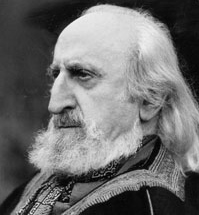
Frithjof Schuon:
82
citátov
2
Páči sa
Frithjof Schuon: Citáty v angličtine
[2013, Vers l’Essentiel : lettres d’un maître spirituel, Les Sept Flèches, 94, 978-2-97003-258-8]
Spiritual life, Outline
[2016, La conscience de l’Absolu, Hozhoni, 20, 978-2-37241-020-5]
Spiritual life, Outline
[2019, Esoterism as Principle and as Way, World Wisdom, 171, 978-1-93659765-9]
God, Beauty
“The interiorization of beauty presupposes nobility of soul and at the same time produces it.”
[2016, La conscience de l’Absolu, Hozhoni, 59, 978-2-37241-020-5]
God, Beauty
[2007, Spiritual Perspectives and Human Facts, World Wisdom, 24, 978-1-933316-42-0]
God, Beauty
[2006, Sufism: Veil and Quintessence, World Wisdom, 96, 978-1-933316-28-4]
God, Beauty
[2019, Esoterism as Principle and as Way, World Wisdom, 190, 978-1-93659765-9]
God, Beauty
[2012, Echoes of Perennial Wisdom, World Wisdom, 30, 978-1-93659700-0]
God, Reverential fear and love
[2005, Stations of Wisdom, World Wisdom, 102, 978-0-94153218-1]
God, Reverential fear and love
[2012, Echoes of Perennial Wisdom, World Wisdom, 9, 978-1-93659700-0]
God, Reverential fear and love
[2005, Stations of Wisdom, World Wisdom, 93, 978-0-94153218-1]
God, Reverential fear and love
[2005, Stations of Wisdom, World Wisdom, 94, 978-0-94153218-1]
God, Reverential fear and love
“When God is absent, pride fills the void.”
[2019, Esoterism as Principle and as Way, World Wisdom, 116, 978-1-93659765-9]
God, Outline
[2014, In the Face of the Absolute, World Wisdom, 99, 978-1-936597-41-3]
God, Outline
[2008, Christianity / Islam, World Wisdom, 105-106, 978-1-933316-49-9]
God, Outline
“Consciousness of the Absolute is the prerogative of human intelligence, and also its aim.”
[2005, Stations of Wisdom, World Wisdom, 127, 978-0-94153218-1]
Human being, Intelligence
[2006, Gnosis: Divine Wisdom, World Wisdom, 36, 978-1-933316-18-5]
Human being, Intellect
“The Intellect constitutes the raison d’être of the human condition.”
[2014, In the Face of the Absolute, World Wisdom, 27, 978-1-936597-41-3]
Human being, Intellect
[2019, Esoterism as Principle and as Way, World Wisdom, 97, 978-1-93659765-9]
Human being, Specificities
“The human being, by his nature, is condemned to the supernatural.”
[2003, Survey of Metaphysics and Esoterism, World Wisdom, 141, 978-0-94153227-3]
Human being, Specificities
“Moral liberty and intellectual objectivity constitute a priori man’s deiformity.”
[2014, In the Face of the Absolute, World Wisdom, 9, 978-1-936597-41-3]
Human being, Deiformity